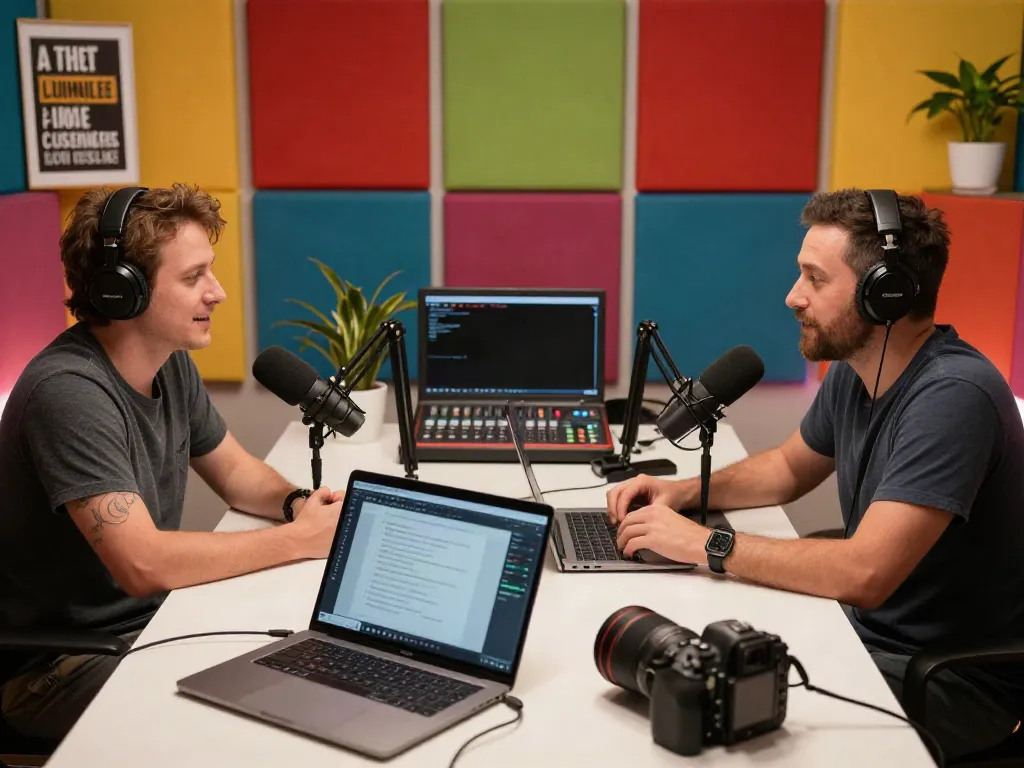
The Rise of Podcasts: Understanding the Trend
Podcasts have exploded in popularity over the last few years, becoming a favored medium for consumers seeking on-the-go entertainment and education. As of 2026, there are over 3 million podcasts available, covering a vast array of topics that cater to diverse interests. This surge is not merely due to a growing audience but also reflects the adaptability of the medium itself. Unlike traditional media, podcasts offer flexibility, allowing listeners to engage with content on their own time, whether commuting, exercising, or multitasking at home. For those exploring the landscape of digital audio content, rokok88 link alternatif provides comprehensive insights and resources.
What Makes Podcasts Popular?
The allure of podcasts lies in their unique format: they combine storytelling, information sharing, and entertainment into an easily digestible audio experience. The accessibility of podcasting technology has democratized the creation of content, enabling anyone with a microphone and an internet connection to share their voice. Additionally, the sense of community fostered among listeners and creators enhances the appeal of podcasts, as audiences often feel more connected to hosts compared to other media forms.
Key Benefits of Listening to Podcasts
- Convenience: Listeners can consume content anytime, anywhere, making podcasts perfect for busy lifestyles.
- Diverse Content: From true crime to educational discussions on technology, there's a podcast for everyone.
- Enhanced Learning: Auditory learning can improve comprehension and retention, making podcasts an excellent tool for personal and professional development.
- Community Engagement: Podcasts often build communities around specific interests, allowing listeners to connect with like-minded individuals.
How Podcasting is Shaping Modern Media
Podcasting is influencing how audiences consume media by prioritizing personalization and niche content. Unlike traditional broadcasting, podcasts often focus on specialized topics that resonate deeply with specific segments of the population. This shift encourages new forms of storytelling and journalism, allowing for more in-depth explorations of issues that matter to listeners.
Diving into Creativity: Insights from Brit Morin
In the ROKOK88 Podcast episode featuring Brit Morin, listeners are treated to a unique blend of creativity and technology. As an entrepreneur and digital innovator, Brit shares her insights on how creativity can be harnessed in the digital age. Her discussions extend beyond mere ideas, delving into practical applications that inspire others to think outside the box.
Exploring Brit Morin's Creative Processes
Brit Morin emphasizes the importance of a structured yet flexible approach to creativity. She encourages aspiring creators to embrace experimentation, understanding that not every idea will succeed, but each failure is a step toward innovation. By sharing her own creative journey, she provides a model for others to follow and adapt to their unique circumstances.
Innovations in Digital Media Discussed
The discussion not only revolves around creativity but also highlights the innovative tools and platforms that empower creators today. Brit discusses how technology, from social media to content creation software, has transformed the landscape of digital media, making it more accessible for newcomers while challenging established norms.
Lessons from Successful Entrepreneurs
Throughout the podcast, Brit shares valuable lessons she learned from her experiences as a successful entrepreneur. Key takeaways include the significance of resilience and adaptability in business, the value of networking, and how to leverage community feedback to enhance product offerings. These insights are essential for anyone looking to thrive in the competitive digital marketplace.
Technology's Role in Podcasting
The integration of technology in podcasting has revolutionized how content is created and consumed. Various tools and platforms enable podcasters to enhance audio quality, distribute episodes efficiently, and engage with their audience in meaningful ways.
Tools and Equipment for Quality Production
Investing in the right tools is crucial for producing high-quality podcasts. Essential equipment includes a good microphone, audio editing software, and platforms for hosting and distributing episodes. As the technology landscape evolves, many podcasters rely on cloud-based solutions for collaboration and editing, streamlining the production process.
How Technology Enhances Listener Experience
Technology improves the listener experience through personalized recommendations, user-friendly interfaces, and interactive features. Podcast apps often include functionalities such as transcription, chapter markers, and playback speed adjustments, making it easier for audiences to engage with content in a way that suits their preferences.
Future Technological Trends in Podcasting
Looking forward to 2026, emerging technologies such as AI and machine learning are set to play a significant role in podcasting. AI-driven analytics will provide creators with deeper insights into listener behavior and preferences, enabling them to tailor content more effectively.
Building a Community Around Podcasts
Creating a podcast is not just about producing content; it's about building a community of engaged listeners. This community can act as a powerful support network, driving growth and engagement through word-of-mouth and social sharing.
Engaging Your Audience Effectively
Engagement starts with understanding your audience. Podcasters should actively seek feedback through surveys and social media interactions, making listeners feel valued and heard. Incorporating listener questions into episodes can foster a sense of belonging and community.
Utilizing Social Media for Podcast Growth
Social media platforms serve as vital tools for promoting podcasts. By strategically posting episode highlights, behind-the-scenes content, and engaging with followers, creators can expand their reach and attract new listeners. Visual content, such as short clips or infographics, can bolster engagement across platforms.
Networking with Other Creators
Collaboration with other podcasters can help boost visibility and introduce new audiences. Joint episodes, guest appearances, and cross-promotions are effective strategies for expanding your reach and building connections within the podcasting community.
Evaluating Podcast Performance and Success
To ensure continued growth, podcasters must regularly evaluate their performance. Understanding audience metrics is key to adapting content strategies and improving overall quality.
Metrics to Measure Engagement and Reach
Important metrics include downloads, listener retention, and engagement rates on social media. Tools like Google Analytics and podcast hosting platforms can provide valuable insights into audience demographics and listening habits, guiding future content development.
Feedback Loops and Audience Interaction
Creating feedback loops through listener surveys and social media interactions can provide valuable insights into audience preferences. Engaging with listeners through Q&A sessions or live chats fosters a two-way communication channel that can enhance loyalty.
Tips for Continuous Improvement
Continuous improvement is essential for maintaining relevance in the fast-paced world of podcasts. Regularly assessing content quality, seeking guest feedback, and staying informed about industry trends can help podcasters innovate and grow their audiences.
What are the common misconceptions about podcasts?
Some people believe that starting a podcast requires extensive technical knowledge or a vast audience to succeed. In reality, while quality matters, passion and consistency are even more critical. Many successful podcasters began with little more than a good idea and a desire to connect with others.
How can I start my own podcast? What do I need?
Starting a podcast involves choosing a niche, planning episodes, gathering equipment, and selecting a hosting platform. New podcasters should focus on creating engaging content and building a community around their show, rather than getting caught up in perfection.
What are the trends in podcast content for 2026?
Future trends may include more interactive content, augmented reality experiences, and the integration of AI for personalized listening experiences. Podcasts will continue to evolve in response to listener demands and technological advancements.
Is there a difference in quality between various podcast platforms?
While all podcast platforms provide basic functionalities, differences can be found in terms of sound quality, ease of use, and analytics features. Podcasters should research various hosting services to find one that aligns with their goals and audience needs.
How can I effectively promote my podcast?
Effective promotion involves leveraging social media, engaging with audiences, and exploring collaborations with other creators. Consistent branding and clear calls to action can also help attract and retain listeners.